
Here are six of the most popular lemur species:
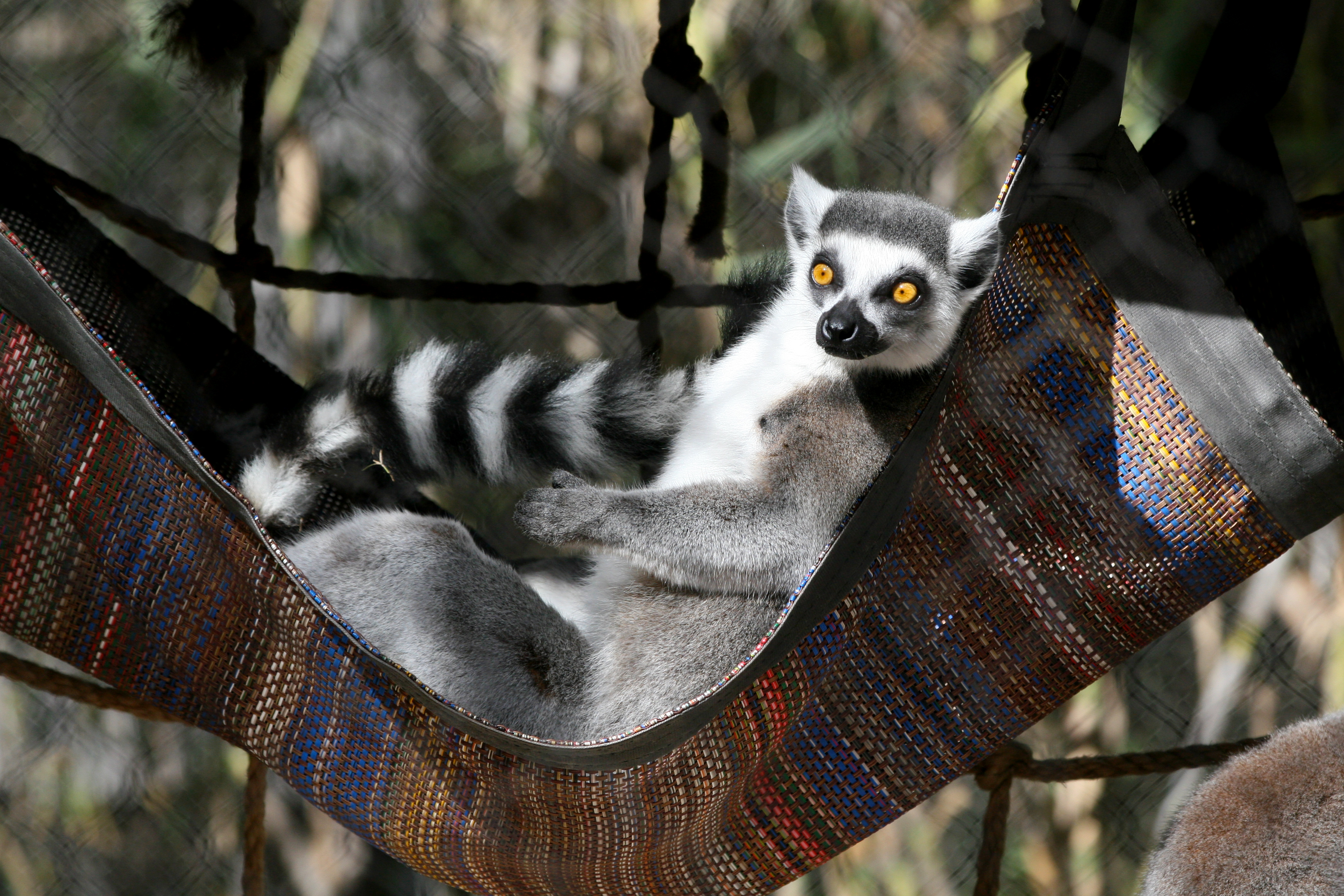
Ring-tailed Lemur
Made particularly popular by the character King Julien in the film Madagascar, ring-tailed lemurs are highly recognizable due to their long, striped tails. Mainly found in southern and southwestern Madagascar, they are opportunistic omnivores, although they mostly eat fruits and leaves. Their favorite food seems to be tamarind, as around 50% of their diet consists of fruit and leaves from tamarind trees. Ring-tailed lemurs are intelligent and are one of the more vocal species of lemur. They are currently listed as endangered as there are believed to be fewer than 2,400 ring-tailed lemurs left in the wild. The main threats to ring-tailed lemurs are habitat loss due to mining, logging, and overgrazing, severe weather (such as drought), and being hunted by humans for meat or for the pet trade. Fortunately, the ring-tailed lemur fares exceptionally well in captivity, and thus has become the most popular lemur in zoos worldwide.
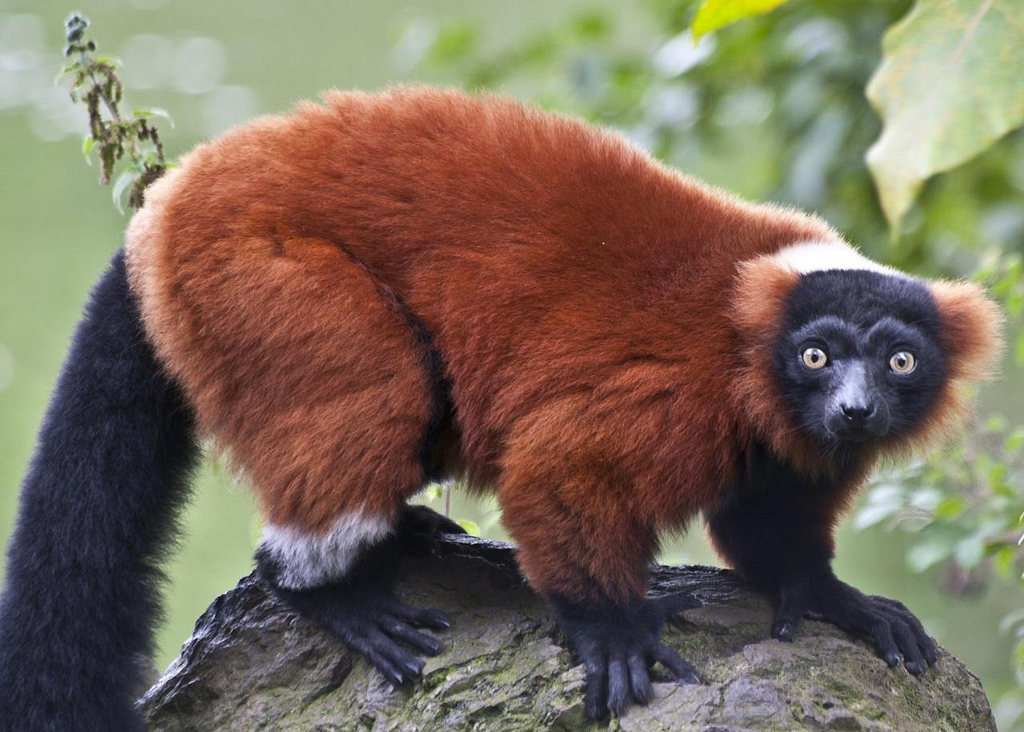
Red Ruffed Lemur
Red ruffed lemurs are one of the largest primate species of Madagascar and, interestingly, the females are slightly larger than the males. They are only found in the rainforests of Masoala, which is in the northeast of the island nation. This species of lemur is known for being very clean; they spend a lot of their time doing self and social grooming behaviors. Red ruffed lemurs mainly eat fruit, figs being their favorite, but they have also been known to eat leaves and shoots. They are listed as critically endangered due to habitat loss from human activities and weather phenomenon (especially cyclones) and due to natural predators like snakes and eagles.
Gray Mouse Lemur
Mouse lemurs are the smallest primates in the world, however gray mouse lemurs are the largest of that group. Interestingly, mouse lemurs as a group are known as a "cryptic species" because they are almost impossible to distinguish from each other. This led scientists to believe that gray mouse lemurs were the only mouse lemurs for decades! The gray mouse lemur is nocturnal and lives in trees. In some cases they will hibernate, which is extremely unusual for primates. They eat mainly fruits, insects, flowers, and nectar. Perhaps due to their size, they are more often killed by predators than any other primate species. Their predators include snakes, certain mammals like mongooses and dogs, but owls are thier most significant predator. The gray mouse lemur is listed as threatened, however they breed very well in the wild (they are considered one of Madagascar's most abundant small native mammmals) and in captivity.
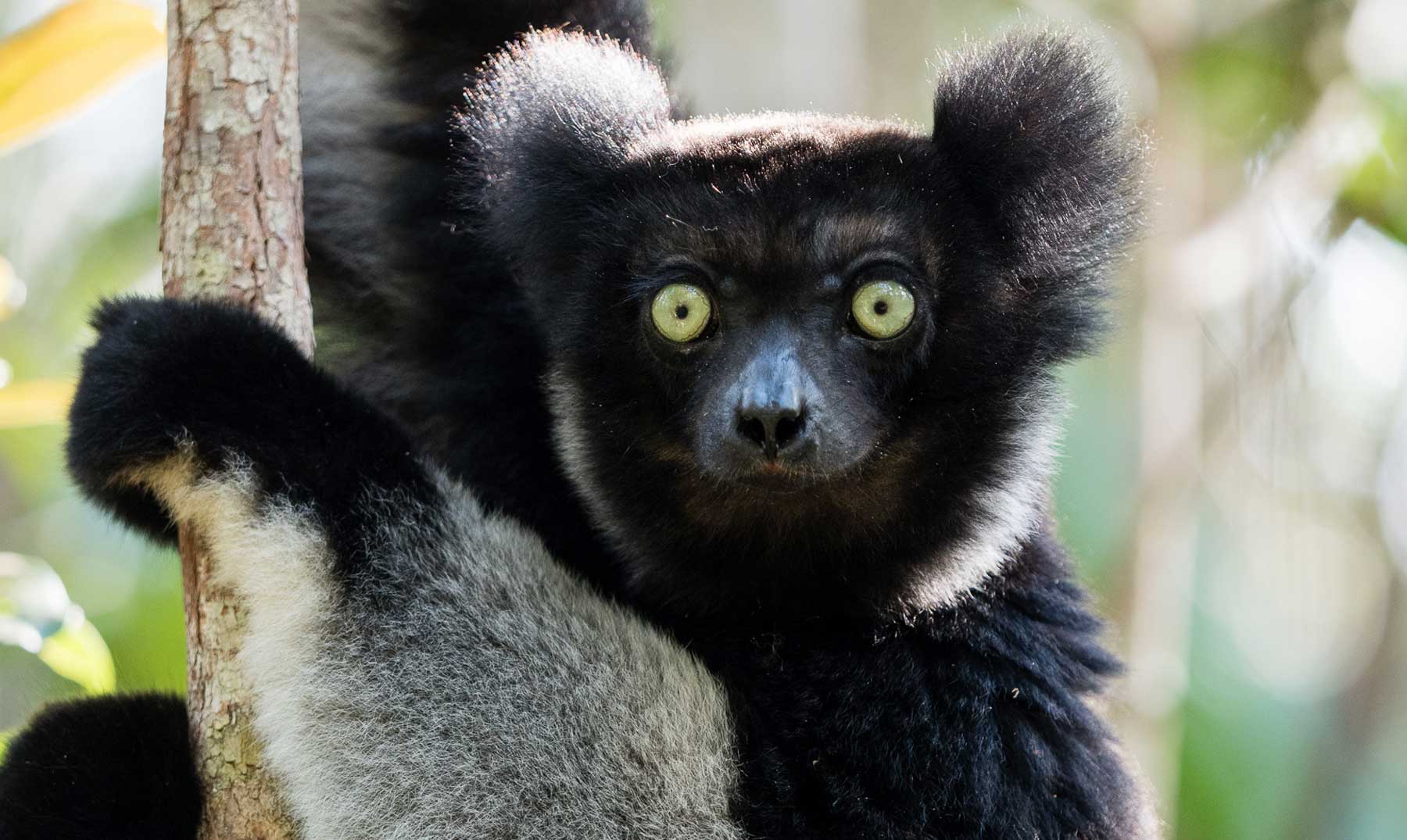
Indri
The indri is one of the largest lemurs still in existence. It is also known as the "babakoto" and plays an important part in the myths and legends of the Malagasy people. Many Malagasy people believe the indri and humans share ancestry, and human-like behaviors exhibited by the indri (upright posture, being diurnal rather than noctural, or even its "sun-worshipping"-like behavior) make the species sacred and not to be hunted or harmed. Indri are herbivores, preferring tender leaves above all else. They are monogamous and live mainly in small, family groups. In spite of the reverence most natives have for this animal, indri are listed as critically endangered, mainly due to habitat loss from slash and burn agriculture and logging, and they are even hunted by humans who do not respect them the way the Malagasy do. Their population is projected to shrink by up to 80% over the next three generations.
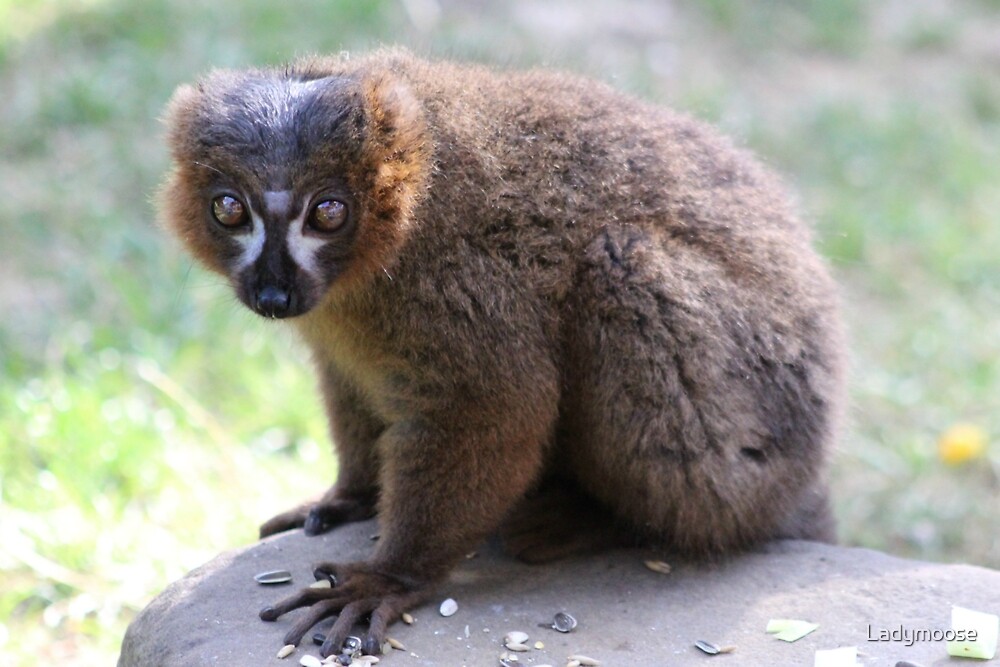
Collared Brown Lemur
Colared brown lemurs are also known as red-collared brown lemurs and are medium-sized as far as lemurs go. They are found in the moist lowlands and forests of southeastern Madagascar. They eat mostly fruit, but they are also known to eat insects, flowers, nectar, bark, and soil. Interestingly, collared brown lemurs are cathemeral. This means, unlike their nocturnal or diurnal cousins, they are active day and night. These lemurs live in family groups and mostly spend their time foraging in the rainforest canopy. They rarely come down to the ground. The collared brown lemur is currently listed as endangered. Their main threats are habitat loss due to slash and burn agriculture and being hunted for their meat and for the pet trade. The good news is they do very well in captivity, which may protect them from extinction.
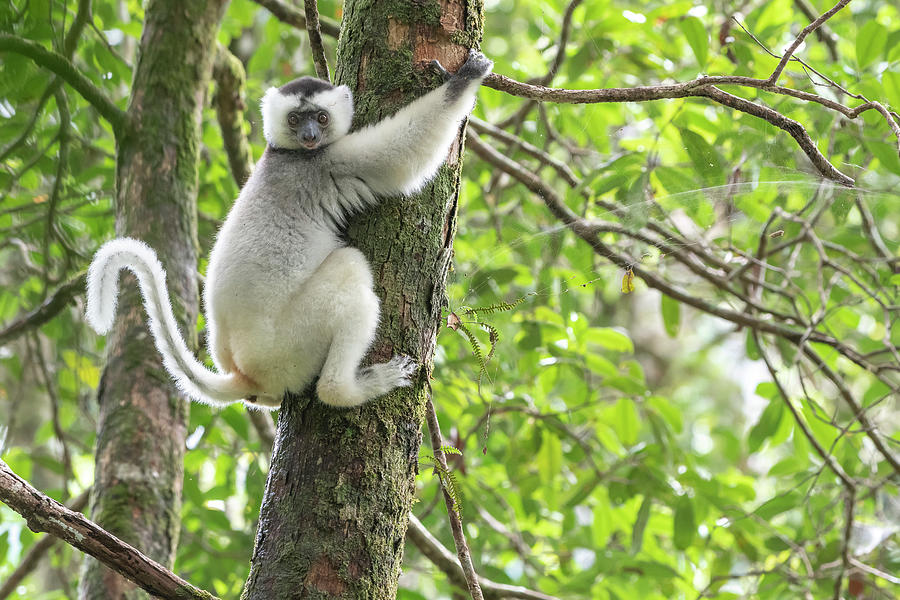
Silky Sifaka
The silky sifaka is one of the rarest mammals on Earth and can only be found within a few protected areas in the rainforests of northeastern Madagascar. This species (one of nine sifaka species) is set apart by its long, white fur. Silky sifakas live in groups of 2-9 individuals, and they seem to share the duties of caring for infants. They mainly eat leaves and seeds, but they will also eat fruit, flowers, and sometimes soil. The silky sifaka is diurnal and spends most if its days travelling, grooming, and resting. Interestingly, the name "sifaka" refers to an alarm vocalization performed by the western dry forest sifaka, a cousin of the silky. Silky sifakas are on the list of the world's 25 most endangered primates. They are not kept in zoos, and there may be only around 250 mature individuals left in the world. They only have one known non-human predator, the fossa. Humans are the real danger here, as silky sifakas are threatened by habitat loss due to slash and burn agriculture and logging, and they are hunted by humans for their meat.